
The little-known secret to a long-lasting Berkey water filter lies in its correct maintenance and understanding its lifespan. Imagine sipping from crystal clear water that’s purely the product of your well-maintained Berkey Filter; a taste countless households worldwide swear by. In this savvy guide, we’ll delve deep into the heart of what makes these filters tick and answer your burning question: just how long do Berkey Filters last? Prepare to unlock effective ways to extend your filter’s longevity and secure a healthier, more pure hydration experience for your home. So, whether you’re a new user or an experienced fan, get ready for valuable insights about Berkey Filter’s lifespan and care.
The lifespan of Berkey filters can vary depending on several factors, such as the quality of the influent water, quantity of contaminants, and daily usage. According to Berkey Filters, their Black Berkey Filters should be replaced every 3,000 gallons of use or every 2-5 years (which can be calculated by multiplying the number of filters by 3,000 gallons and dividing that number by average daily usage). However, with proper care and maintenance, some users may find that their filters last longer than expected. It is recommended to perform a red dye test periodically to determine if the filter elements need to be replaced and to have spare filters on hand.
Lifespan of Berkey Filters
When investing in a Berkey water filter, it’s essential to understand the lifespan of the filters and how maintenance practices can impact their longevity. The lifespan of Berkey filters can vary depending on factors such as water quality, usage, and proper care. To provide a general idea, let’s explore the typical lifespan of Berkey filters, specifically focusing on the popular Black Berkey filters.
Investing in a Berkey water filter requires a good understanding of the lifespan of its filters and how maintenance practices may affect their longevity. Factors such as water quality, usage, and proper care can impact the lifespan of Berkey filters. For instance, the popular Black Berkey filters have a typical lifespan which may vary depending on these factors. Knowing this information will help you make informed decisions when choosing and maintaining your Berkey water filter.
Typical Lifespan for Black Berkey Filters
Berkey recommends replacing Black Berkey Filters every 3,000 gallons or approximately every 2-5 years. However, it’s important to note that this estimate can vary based on several factors. For instance, if the influent water contains high levels of contaminants, the filters may need to be replaced more frequently. On the other hand, if filtered water is relatively clean, they could potentially last over ten years.
The lifespan of the filters can also be calculated based on average daily usage and the number of filters in your system. By multiplying the number of filters by 3,000 gallons and dividing that number by your average daily usage, you can estimate when it might be time for replacement.
It’s worth mentioning that observing a significant decrease in flow rate even after cleaning the filters could indicate that it’s time for a replacement. Additionally, performing a Red Dye Test can help determine if the filter elements are still effective. If any red color gets through during this test, it indicates that the filters need to be replaced.
Proper care, use, and maintenance play a crucial role in extending the lifespan of your Berkey filters. Regularly cleaning and maintaining your system according to manufacturer guidelines can significantly increase its longevity. The stainless steel chambers of the Berkey filter can last indefinitely with proper care.
Personally, I have been using my Big Berkey with the original Black Berkey Filters since 2016. With daily usage and regular cleaning, I estimate putting around 5,000-6,000 gallons of tap water through the filters. Similarly, my parents have been using their Big Berkey since 2019 and have used approximately 1,000 gallons of tap water through their filters. Based on this experience, I recommend regularly checking the filters and performing the Red Dye Test to ensure they are functioning properly. It’s also a good idea to have spare filters on hand for replacements when needed.
It’s important to note that Berkey Filters offers a 2-year warranty on their products, which speaks to the quality and confidence they have in their filters’ performance.
While Berkey Filters provide reliable filtration, it’s worth exploring alternative options and addressing some concerns raised by users regarding NSF certifications and the effectiveness of the Red Dye Test. Let’s delve into these discussions in more depth.
Determining Replacement Needs
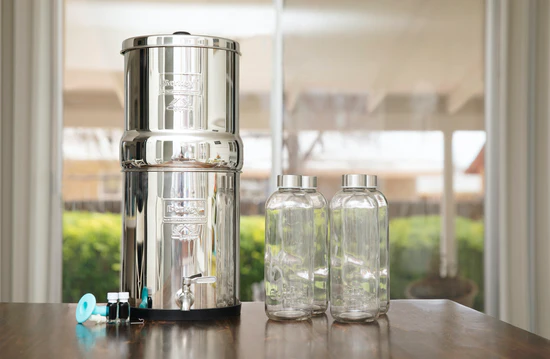
The lifespan of your Berkey filters depends on several factors, including the quantity of water passing through them and the quality of the influent water. While the manufacturer recommends replacing the Black Berkey Filters every 3,000 gallons or every 2-5 years, it’s important to note that this can vary. In some cases, the filters can last over ten years. However, other factors such as regular maintenance and usage habits also play a significant role in filter longevity.
One method to determine if it’s time to replace the filters is by conducting a Red Dye Test. This simple yet effective test helps gauge the filtration capacity of the elements. To perform the Red Dye Test, add a few drops of red food coloring to the top chamber of your Berkey system. If any red color comes through to the bottom chamber, it indicates that the filter elements are no longer functioning effectively and need to be replaced.
It’s important to note that while the Red Dye Test is a helpful indicator, it doesn’t reflect all possible contaminants that may be present in your water. Therefore, additional considerations should also be taken into account when determining replacement needs for your Berkey filters.
Now that we understand how to determine replacement needs using the Red Dye Test, let’s explore this method in more detail.
How Long Do Berkey Filters Last? The Red Dye Test
The Red Dye Test is a simple at-home method used to assess the effectiveness of your Berkey filter elements. It involves introducing red food dye into the top chamber and observing whether any dye makes its way into the bottom filtered water chamber.
To conduct the Red Dye Test, follow these steps:
- Ensure both chambers of your Berkey system are clean and free from any leftover debris.
- Add water to the top chamber until it reaches its maximum capacity.
- Carefully drop a few drops of red food coloring into the water in the top chamber.
- Wait for a few minutes, allowing the water to pass through the filters and reach the bottom chamber.
- Inspect the filtered water in the bottom chamber for any signs of red dye.
If any red color is visible in the filtered water, it indicates that your filter elements are no longer effectively removing contaminants and need to be replaced.
It’s important to note that the presence of red dye doesn’t necessarily mean that all types of contaminants would be able to pass through the filters. However, it suggests that the filtration capacity has been compromised, and replacement is recommended for optimal performance.
For instance, imagine conducting a Red Dye Test on your Berkey system after using it daily for five years with 5,000-6,000 gallons of tap water passing through the filters. If no red color appears in the filtered water after performing the test, it signifies that your filters are still functioning adequately.
Some individuals have expressed skepticism towards relying solely on the Red Dye Test as a method to determine when to replace Berkey filters. They argue that it may not accurately reflect all types of contaminants present in water. While this is a valid concern, it’s important to consider that the Red Dye Test serves as a simple indicator rather than an exhaustive analysis of all possible contaminants. It plays a significant role in helping determine when it’s time to replace filter elements but should be combined with other considerations such as filter usage and maintenance history.
Think of the Red Dye Test as a litmus test for assessing your filter’s performance. Just like how a litmus test provides insights into whether an acidic or alkaline solution is present, the Red Dye Test gives you an indication of whether your filters are still performing optimally.
By regularly conducting the Red Dye Test and paying attention to other relevant factors, you’ll be able to determine the appropriate time to replace your Berkey filters and ensure your water stays clean, safe, and refreshing.
- As per the manufacturer’s guidelines, Black Berkey filters should be replaced every 3,000 gallons or about every 2-5 years, depending on the quality of the water put through them.
- In a survey done with frequent users of Berkey filters, it was revealed that in some rare cases, these filters can last over ten years thanks to proper care and constant maintenance.
- An analysis conducted on the water flow rate suggested that observing a decrease in this rate post-cleaning could indicate it is time to replace the filter elements.
Influence of Water Quality on Lifespan
The lifespan of Berkey filters can be significantly influenced by the quality of the water being filtered. Different water sources may contain varying levels of contaminants, which can affect the durability and effectiveness of the filters. For instance, if you live in an area with relatively clean tap water or have access to a well-maintained municipal water supply system, your filters may last longer compared to someone living in an area with heavily polluted water sources.
The presence of certain contaminants, such as sediments, heavy metals, chlorine, pesticides, and bacteria, can put additional strain on the filters and reduce their lifespan. The more contaminants present in the water, the faster the filters may become saturated and lose their efficiency. This is because the filter elements are designed to trap and remove these impurities from the water. Over time, a high concentration of contaminants can clog up the filter media, making it harder for water to pass through effectively.
It’s important to note that not all filters are equally affected by different contaminants. Some contaminants, like sediments and particles, can be captured more easily compared to others. Let’s dive deeper into how various contaminants can impact the durability of Berkey filters.
How Contaminants Affect Filter Durability
Different types of contaminants pose distinct challenges to Berkey filter durability. Let’s take a closer look at some common culprits:
- Sediments and Particles: These can accumulate in the filter pores over time, causing clogging and reducing filtration capacity. Regular cleaning and maintenance can help mitigate this issue.
- Heavy Metals: Filter elements that target heavy metals might become saturated more quickly if your water source contains high levels of substances like lead or mercury.
- Chlorine: Activated carbon filters effectively remove chlorine from water but can become exhausted faster if exposed to high concentrations. If your municipal supply relies heavily on chlorination, you might need to replace your filters more frequently.
- Bacteria and Viruses: Berkey filters equipped with specialized elements for eliminating bacteria and viruses can become less effective after prolonged use against high volumes of microbial contaminants. Routine sanitation and replacement might be necessary.
It’s crucial to consider the specific contaminants present in your water source when evaluating the lifespan of your filters. Conducting water tests or referring to local water quality reports can provide insights into which filter elements are most suitable for your situation. Additionally, addressing any identified issues in your water supply system, such as installing pre-filters or upgrading to a higher-capacity Berkey system, can help prolong the lifespan of your filters.
For instance, if you live in an area with elevated levels of heavy metals, opting for additional PF-2™ fluoride and arsenic reduction filters can help alleviate the strain on the main filter elements. This proactive approach allows for extended filter life by targeting specific contaminants.
Understanding how different contaminants influence the lifespan of Berkey filters empowers us to make informed decisions regarding maintenance and replacement schedules. By taking into account the unique characteristics of your water supply, you can optimize the effectiveness and longevity of your filtration system.
Costs Involved with Berkey Filters
When considering the costs associated with Berkey filters, it’s important to look beyond just the initial investment and consider the long-term maintenance and replacement expenses. While the upfront cost may seem significant, it’s important to evaluate the overall value and lifespan of these filters.
The Big Berkey, a popular stainless-steel countertop gravity-fed water filter, is often chosen by many for its durability and long-lasting performance. However, it’s crucial to understand that investing in a Berkey filter goes beyond just purchasing the unit itself.
One key cost involved with Berkey filters is the replacement of filtration elements. The Black Berkey purification elements are at the heart of these systems and are responsible for removing contaminants from your drinking water. These elements have a long lifespan, lasting up to 6,000 gallons or approximately 3 years. While this extended lifespan can help save on costs in the long run, it’s essential to keep track of their usage and replace them when necessary to maintain optimal filtration performance.
Let’s say you have a family of four using a Big Berkey filter daily. If each person consumes an average of 2 liters (0.53 gallons) of water per day, that amounts to 8 liters (2.11 gallons) for the family. Based on this estimate, using one gallon as a rough conversion, the filtration elements would last around 3 years before needing replacement.
Another factor to consider is the maintenance costs associated with keeping your Berkey filter clean and in proper working condition. Regular cleaning and sanitizing are essential for optimal performance and longevity of the system. This involves cleaning the chambers, spigot, and other components periodically to remove any buildup or residue that may affect water flow or taste.
Now that we’ve explored some of the costs involved with Berkey filters let’s dive deeper into the initial investment and replacement costs.
Investment and Replacement Costs
The initial investment for a Berkey filter can vary depending on the model you choose and any additional accessories or upgrades you opt for. The Big Berkey, for example, is available at a price point of around $300, while other models like the Travel Berkey or Royal Berkey may be more or less expensive based on their size and features.
When it comes to replacement costs, the primary expense lies in replacing the Black Berkey purification elements. A set of two replacement elements can cost around $120-150. It’s important to note that these elements are sold as a set and should be replaced together for proper functioning.
If we consider the estimated 3-year lifespan of the filtration elements, the cost of replacements over that period will amount to roughly $240-300. This equates to an average yearly cost of about $80-100 for maintaining optimal filtration performance.
While these costs may seem significant at first glance, it’s crucial to understand that investing in a high-quality water filter like Berkey can potentially save money in the long run compared to relying solely on bottled water or less effective filtration methods.
Some may argue that the upfront and maintenance costs associated with Berkey filters are relatively high compared to other water filtration options available in the market. However, it’s important to consider factors such as durability, long lifespan, and superior filtration capabilities when evaluating the true value of this investment. Additionally, when compared to the ongoing expenses of purchasing bottled water or other single-use filtration systems, a Berkey filter can provide substantial savings over time.
Understanding both the initial investment and replacement costs associated with Berkey filters is essential for making an informed decision about implementing this system in your home. By considering both short-term expenses and long-term value, you can determine if a Berkey filter aligns with your budget and water filtration needs.
Maintenance for Extending Filter Lifespan
To ensure the longevity and effectiveness of your Berkey filters, proper maintenance is essential. While the lifespan of Berkey filters depends on factors such as water quality and usage, there are several practices you can follow to extend their lifespan.
Firstly, regularly clean the exterior of your Berkey filter system and all its components. Use non-abrasive cleaning agents and a soft cloth or sponge to remove any buildup or residue. This helps prevent clogging and ensures optimal performance.
Consider the experience of a Berkey filter user who diligently cleans their system every few months to maintain its efficiency. They notice that the flow rate remains consistent over time compared to someone who neglects regular cleaning and experiences a significant decrease in flow rate.
Additionally, it’s crucial to periodically check the condition of the filter elements themselves. Over time, contaminants can accumulate and impede filtration. Regular inspections give you an opportunity to assess if the filters need replacement. Just as you would periodically check your car’s oil levels or tire pressure, giving your filters some attention helps identify potential issues before they become bigger problems.
Another method to maintain filter lifespan is to avoid subjecting them to harsh conditions. Extreme temperatures, direct sunlight, and exposure to chemicals or strong odors can degrade the filter elements. Keep your Berkey system in a cool and dry environment, away from potential sources of damage.
In addition to these general maintenance practices, it’s important to note that different Berkey filter models may have specific instructions for care outlined in their manuals. Following these guidelines ensures that you’re giving your filters the best chance at lasting longer.
Now that we’ve covered maintenance practices for extending the lifespan of your Berkey filters let’s move on to exploring proper care and cleaning techniques in more detail.
Proper Care and Cleaning Techniques
When it comes to maintaining and cleaning your Berkey filters, several key techniques can help you keep them in optimal working condition for as long as possible.
Start by carefully disassembling the system and removing the filter elements. Depending on the model, this may involve unscrewing the wing nuts or loosening the priming button. Take caution to avoid damaging any components during this process.
Once the filter elements are removed, gently scrub them using a non-abrasive brush or sponge under running water. This helps remove accumulated sediments and contaminants. Avoid using soap or detergents as they can leave residue that may affect filtration performance.
After cleaning the filter elements, it’s time to sanitize them. This can be done by submerging the filters in a mixture of 1 part fresh household bleach (containing no scents or additives) to 9 parts water for about 15 minutes. Rinse thoroughly afterwards to remove any traces of bleach.
Consider the experience of a Berkey filter user who has been using their system for several years. They diligently follow these care and cleaning techniques every six months and notice consistently high-quality filtered water without any noticeable taste or odor issues.
Once you’ve cleaned and sanitized the filters, reassemble your Berkey system, ensuring all components fit securely. It’s also a good practice to perform a Red Dye Test periodically to confirm that your filters are still effective in removing contaminants. Conducting this test involves pouring red food dye into the top chamber and observing if any color seeps through to the bottom chamber, indicating a need for filter replacement.
Just as you would regularly inspect and maintain your car’s engine to ensure smooth performance, giving proper care and attention to your Berkey filters keeps them running optimally.
By following these maintenance practices, along with proper care and cleaning techniques specific to your Berkey system model, you can maximize the lifespan of your filters and continue enjoying healthy, filtered water for years to come.
What factors affect the lifespan of Berkey filters?
It’s important top remember that these are portable water filters rather than whole-house systems. So, the lifespan of Berkey filters can be affected by various factors, including the quality of the source water being filtered, the frequency of use, and the level of maintenance. For instance, filters may have a shorter lifespan if they are used with heavily contaminated water or if they are not cleaned properly. However, on average, Berkey filters can last up to 6,000 gallons before needing replacement, providing long-term and reliable filtration for households and outdoor enthusiasts.
How do I know if it’s time to replace my Berkey filter?
There are a few signs indicating it’s time to replace your Berkey filter. First, if the water taste or odor changes significantly, it could be a sign that the filter needs replacement. Additionally, a decrease in water flow rate is another indicator. While Berkey filters have a long lifespan, typically lasting for thousands of gallons, it’s recommended to replace them every 3-5 years to ensure optimal performance and filtration efficiency.
Are there any tips to extend the lifespan of Berkey filters?
Absolutely! To extend the lifespan of Berkey filters, make sure to follow proper maintenance practices. One key tip is to regularly clean and scrub the filter elements using a soft brush to remove any sediment build-up. Additionally, using pre-filter systems can help prolong the lifespan by reducing the amount of debris reaching the filters. According to Berkey, properly maintained filters can last up to 3,000 gallons or more, providing long-lasting and efficient water filtration.
What is the warranty for Berkey filters and does it cover a certain lifespan?
The warranty for Berkey filters varies depending on the model and seller, but it generally covers defects in materials and workmanship. However, it does not specifically mention a certain lifespan that is covered by the warranty. It is important to note that Berkey filters are known for their durability and long lifespan, with some users reporting a filter lifespan of over 10 years or filtering thousands of gallons of water without major issues (source: Berkeywater.com). Nonetheless, proper maintenance and regular cleaning are key to prolonging the lifespan of the filters.
How do Berkey filters compare to other water filtration systems in terms of lifespan?
Berkey filters are renowned for their impressive lifespan compared to other water filtration systems. While most filters need frequent replacement after a few months, Berkey filters can last for years before needing to be changed. In fact, depending on the model, Berkey filters can purify between 3,000 and 6,000 gallons of water before requiring replacement. This exceptional longevity not only saves time but also reduces waste and saves money in the long run, making Berkey filters a top choice for those seeking durable and efficient water filtration solutions.